

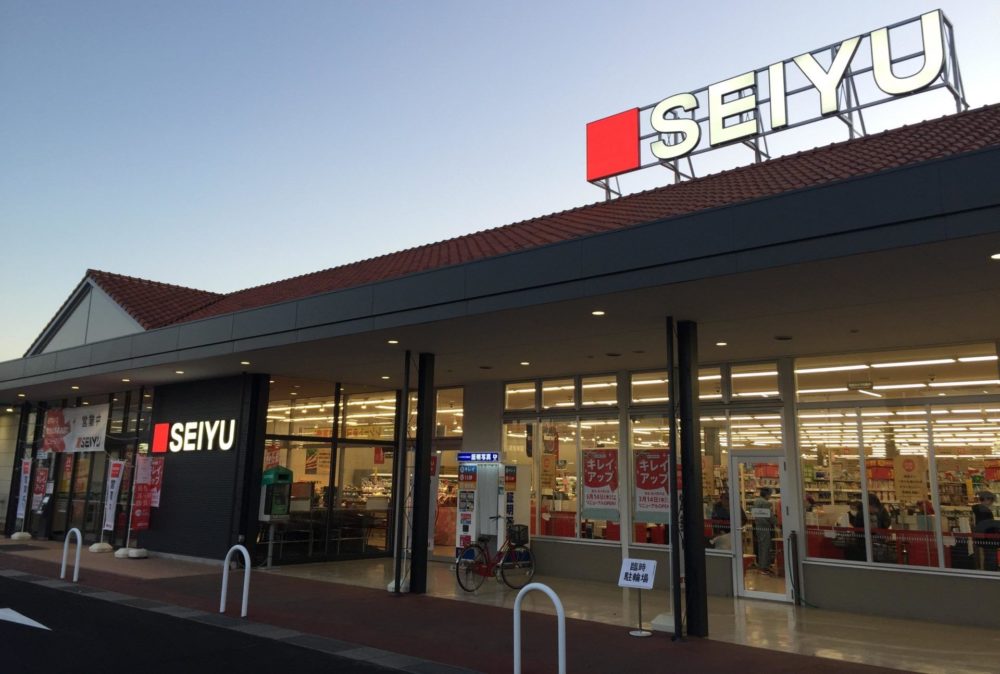
The long-anticipated transition of ownership in one of Japan’s most recognized retail brands, Seiyu, has officially concluded as KKR & Co. Inc. and Rakuten Group, Inc. finalize their acquisition of shares from Walmart. This move marks a major turning point in Japan’s competitive retail industry, signaling not just a shift in corporate control but a comprehensive strategy aimed at revitalizing Seiyu’s presence and operations across the country.
KKR now holds a majority stake in Seiyu, aligning its global investment philosophy with localized retail innovation. Rakuten, a dominant e-commerce force in Japan, also increases its ownership stake, reinforcing its intention to bridge online and offline consumer experiences. Walmart, while stepping back from majority control, retains a minority stake, underscoring its confidence in the new partnership’s growth vision.
Details of the Acquisition Deal
Under the finalized deal, KKR acquired an additional percentage of Seiyu shares, bringing its total ownership to 65%. Rakuten increased its shareholding to 20%, with Walmart retaining 15%, down from its previous majority ownership. The transaction was designed to ensure operational continuity while enabling each stakeholder to leverage its specific expertise in retail investment, digital transformation, and supply chain management.
The deal, originally initiated in late 2020, represented a careful negotiation among the parties, shaped by market trends and long-term strategic interests. For Walmart, the decision to reduce its stake was consistent with its global realignment strategy, emphasizing investment where it sees the most growth potential and reducing exposure in markets that require a more localized approach.
Enhancing Digital Transformation Through Rakuten’s Ecosystem
Rakuten’s deeper involvement in Seiyu’s operations is central to the transformation strategy. By integrating Seiyu into Rakuten’s broader digital ecosystem—including its logistics infrastructure, payment systems, and customer loyalty programs—consumers are expected to benefit from a more seamless, efficient, and personalized shopping experience.
The expansion of online grocery delivery, already seeing strong demand in Japan, is a core focus. Rakuten Seiyu Netsuper, a joint venture between the two companies, will likely see increased investment and technological upgrades. AI-based inventory systems, automated warehouses, and more robust customer data analytics are just a few of the developments expected in the near term.
This push aligns with changing consumer behavior in Japan, where convenience and digital integration are becoming essential factors in retail success, particularly in urban areas where demand for e-commerce solutions continues to rise.
KKR’s Global Expertise Meets Local Strategy
KKR brings significant investment experience to the partnership, having successfully backed retail turnarounds and transformations across various markets. Its approach in Japan emphasizes strategic capital deployment, operational efficiency, and sustainable growth.
In Seiyu, KKR sees an opportunity to apply its global learnings to a uniquely Japanese business. Operational reforms, digital modernization, and strategic store realignment are among the initiatives on the roadmap. With Japan’s retail market facing demographic shifts and evolving consumer expectations, KKR’s management philosophy will focus on optimizing Seiyu’s performance while maintaining strong local engagement.
One of KKR’s key strategies includes remodeling store layouts, improving in-store technology, and ensuring product assortments reflect both local tastes and global standards. This hybrid retail vision aims to position Seiyu as a leading, future-ready brand in Japan’s retail ecosystem.
Impact on Seiyu’s Employees and Consumers
The acquisition ensures Seiyu continues to operate with a degree of autonomy under a local leadership team that understands Japan’s market intricacies. Employee engagement programs, career development initiatives, and internal innovation labs are expected to receive stronger support, creating a more agile and responsive organizational structure.
For consumers, the changes aim to bring tangible benefits: wider product variety, better pricing strategies, and improved digital services. By merging traditional in-store retail with Rakuten’s digital edge and KKR’s financial and operational support, Seiyu is positioning itself as a leader in delivering hybrid retail solutions that prioritize customer satisfaction and loyalty.
Store modernization efforts, including tech-enabled checkout systems and improved logistics for faster home delivery, will be key pillars of Seiyu’s consumer-facing transformation. These changes are intended to appeal to both older shoppers and younger, digitally native consumers.
A Symbol of Global-Local Collaboration
The finalized acquisition serves as a case study in how global and local players can collaborate effectively to build resilience and competitiveness in a mature, yet evolving market like Japan. Walmart’s decision to remain a minority stakeholder reflects both trust in the new owners and a desire to maintain a strategic foothold in Japan’s retail sector without direct management responsibilities.
KKR and Rakuten’s cooperation embodies a new approach to retail investment—one that prioritizes digital transformation, operational efficiency, and customer-centric strategies. By aligning their respective strengths, the two companies are setting a new standard for retail partnerships in Japan and beyond.
The transaction also sends a clear message to other multinationals operating in Japan: success in this market requires both global vision and local execution. As the retail landscape continues to shift, particularly in response to digital consumption patterns and an aging population, Seiyu’s new ownership model may provide a blueprint for similar transitions in other sectors.
Future Outlook for the Japanese Retail Industry
This acquisition is not just about changing ownership—it signals the direction in which Japanese retail may evolve over the next decade. Hybrid models that blend online convenience with physical retail reliability are likely to dominate. Companies that can seamlessly integrate technology, logistics, and consumer trust will be best positioned to lead.
With Seiyu at the center of this new dynamic, KKR and Rakuten have an opportunity to shape how modern retail operates in Japan. Through this strategic partnership, the Japanese consumer may soon experience a smarter, more connected, and highly personalized way to shop—setting new expectations for the entire industry.






Leave a Reply